
January Book Report # 1
The Way of the Bull, New Science of Politics, and More

This Week’s Books
I read four books this week, two which were easy readings and could be “memorized” in a single sitting, and one book which I’ll have to revisit more often.
Of course, by memorized, I mean I just committed the overall idea of the chapters for the three lighter books, since that’s all I felt was needed.
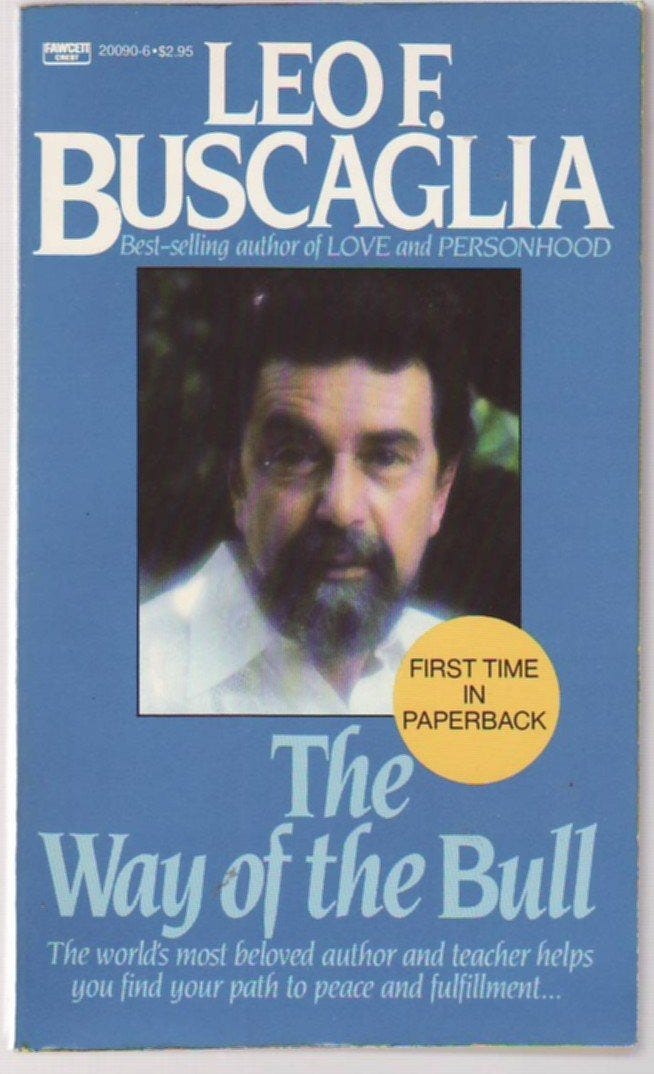
Those books were The Greatest Salesman In The World by Og Mandino, All I Need to Know I learned in Kindergarden by Robert Fulghum, and The Way of the Bull by Leo Buscaglia.
These were all things I read when I was a teenager, and I’ve decided I may as well revisit my youthful readings and actually commit them to memory. It’s cozy and it also helps that it’s not exactly demanding literature.
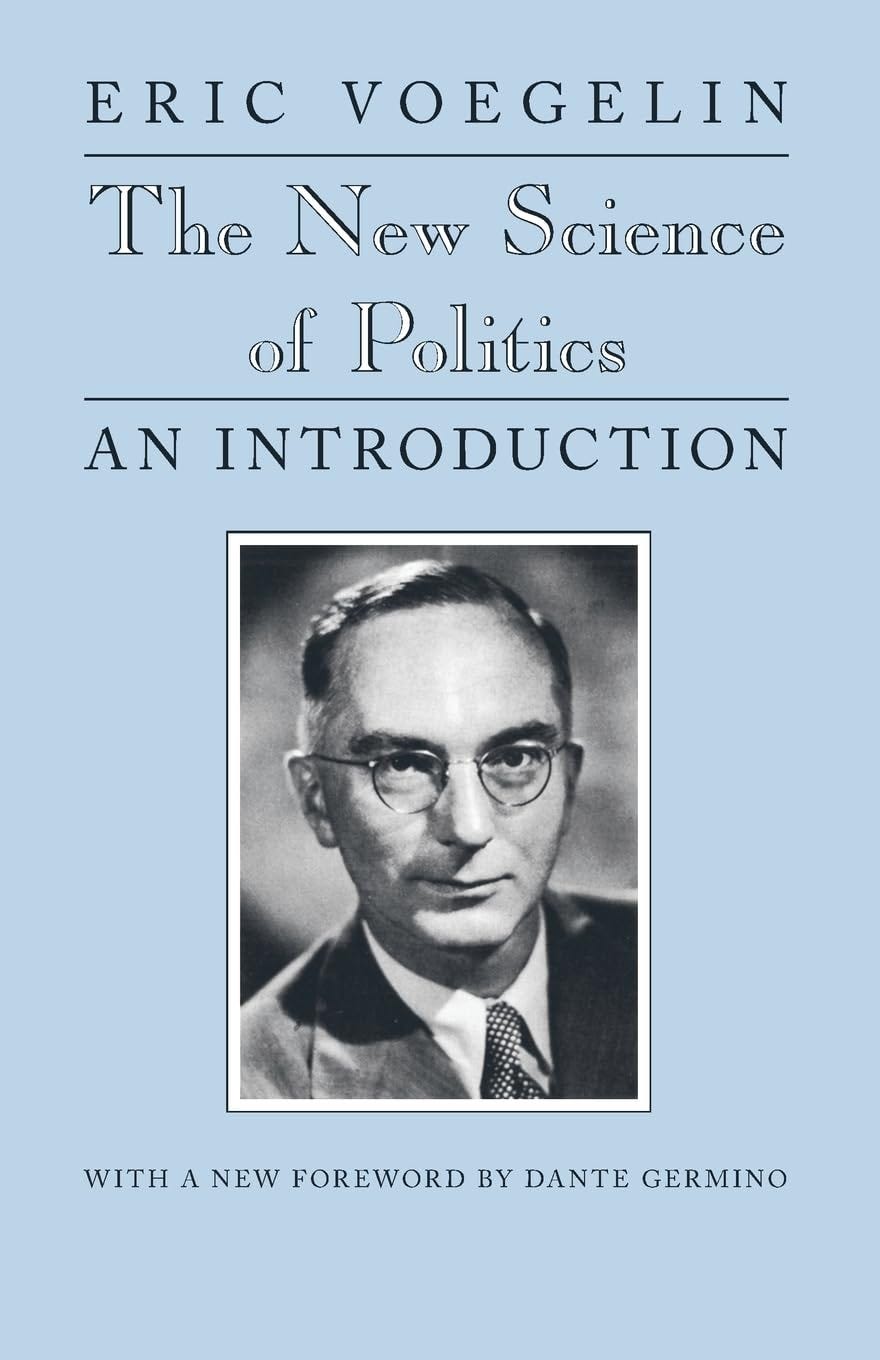
The book that I’m going to have to spend more time sitting with and where I won’t be able to just “get the gist of the chapter” on the fly is The New Science of Politics by Eric Voegelin. It’s a fairly short work, but each chapter requires a decent amount of effort to fully appreciate.
Books like this are a lot more challenging to memorize than something like The Way of the Bull, which is straightforward travelogue about the different places the author visited, or The Greatest Salesman, which consists of ten easy to remember principles bookended by a short biblical story. Simple books can be memorized with a few extra minutes of work while you read, heavier book require a larger time investment.
Lectio And Meditatio
I’ve started bookending my days with a reading and contemplation practice. I’ve set aside these “bookend” partitions, usually three hours after waking up and three hours before going to bed, to either read or contemplate what I’ve read.
Lectio and meditatio are two terms I’ve taken from the scholastics, who approached their studies in a very particular way. They set aside time to meditate on what they read, which is no longer a common practice in the West. Nowadays most people read books without actually contemplating what they read, which is fine for certain kinds of leisure reading, but a terrible oversight for more serious works.
Oddly enough, I did not start partitioning my days because I wanted to improve my reading habits, but because I wanted to avoid using screens in the morning and before going to bed.
Starting the day by reading is a lot more enjoyable than starting it by doomscrolling or jumping straight into work. I know I always feel better when I’m traveling, and I’ve come to the conclusion that this is because I barely use my computer when I’m out of town.
I’m going to live locally as if I’m travelling.
I’ve started setting aside offline work tasks for the morning and evening to help with the whole “don’t go online” thing.
I’ve really enjoyed this practice and I doubt I’ll go back. I am having a slightly harder time with avoiding screens at night, but I’ll figure that out later. At the very least, avoiding it in the morning has proven easy and enjoyable.
I was only planning on reading 30-ish books this year, but if I have a couple hours of dedicated reading time in the morning, that number will likely be crushed, though I will be pacing my reading to ensure that I actually sit with whatever I read in a way that’s fruitful.
Printing Articles
I’m getting ready to read articles the way I read books, which means I just had to order a bunch of printer ink.
Screens undermine serious reading.
There’s a place for e-reading, namely for leisure reading, skimming, exploring, and discovering texts you want to invest time in, but the serious stuff will benefit enormously from the physicality of an actual paper book.
If you want to internalize and carry the texts you read, you’ll make your life a lot easier by grabbing a real copy of it.
The ancients considered physical books to be mnemonics in and of themselves. The book was a memory palace in its own right. It exists in physical space, and it’s possible to adorn the pages with marginalia to help sear its contents in your mind.
Digital texts are much harder to memorize because they have no physical properties and are not embedded in your environment in the same way.
One of the biggest mistakes I made last year when I first started with the Aquinas method was using it on digital texts. The moment I switched to memorizing physical books, everything became 10x easier. It was night and day.
I’ve been wondering how to approach articles and studies, and I’ve settled on just printing the things I want to read. It’ll cost a small fortune in ink, but I think it’ll be worth the investment.
That’s it for this weeks report, we’ll see where I’m at next Sunday or so.